The value of carer breaks
The UK's health and social care system depends on unpaid carers. This economic analysis, following Treasury Green Book guidance, shows the value of respite breaks for unpaid carers.

Our work in this field spans a range of topics, including mental health, community nursing, technology, physical health, sport social care projects. In addition, we have worked on a range of health economics projects. We regularly use quality of life and well-being measures in our studies and have a good understanding of the science of well-being measurement.








The UK's health and social care system depends on unpaid carers. This economic analysis, following Treasury Green Book guidance, shows the value of respite breaks for unpaid carers.
Rape Crisis MidWest engaged Just Economics to support the development of its Strategic Plan.
Focus Ireland – Ireland’s largest homelessness agency - commissioned Just Economics to conduct a qualitative evaluation of its first year of implementing peer support work.
Just Economics was commissioned to evaluate the HSE's pilot of Extended Brief Interventions (EBIs) to reduce harmful alcohol use in Dublin North.
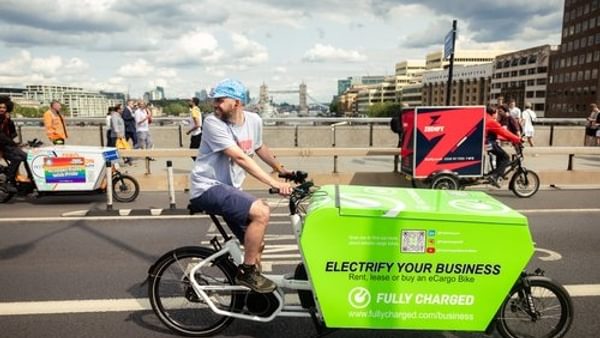
Cargo bikes are a leading alternative to petrol and diesel vans, with emerging evidence that they can reduce congestion, improve business efficiency, and support the development of more liveable and healthier cities.
The Irish Life GAA Healthy Club Programme (HCP) is the GAA’s flagship programme to promote health and wellbeing in Ireland outside of its official games structures.
The Prince's Trust commissioned Just Economics to carry out an analysis of the youth labour market in the UK
This economic analysis of salmon farming reveals that the industry has produced negative externalities worth in the region of USD$47 billion since 2013.
Discover/Recover is a preventative mental health project aimed at school children. This evaluation found it to be effective in improving mental health literacy and help-seeking behaviour, and reducing stigma.
In 2017, Britain was in the grip of a housing and homelessness crisis and London boroughs such as Haringey experienced alarming increases in the numbers of people sleeping rough in the preceeding years.
There is evidence that Kellogg's has been removing key micronutrients from its breakfast cereals in Mexico since 2013. This economic analysis estimates the cost to health, well-being and development.
YWI uses an innovative Integrated Youth Service Model with the aim of ensuring that young people receive a high quality, efficient and effective service that treats them as a ‘whole person’.
The concept of recovery has come to underpin mental health policy in many Anglophone countries. It represents a shift from services based on clinical recovery defined by symptom reduction to recovery as defined by the service user’s view of what is needed to lead a meaningful life.
The Technology Enabled Care (TEC) Programme is a £9 million a year Scotland-wide programme designed to increase choice and control in health, well-being and care services.
There is an established need for women-oriented services, particularly in relation to violence, abuse and mental health, and an emerging evidence base on the benefits that gender-sensitive services can bring.
Extra Time is a partnership between the Football Foundation, Sport Relief and Age UK that sets out to use the appeal of professional football clubs to engage older people in a range of health-promoting activities.
This project was one of several partnerships with University College Dublin to explore the impact of ‘missed care’ in community nursing.
Golden Lane Housing (GLH) was established as an independent national charity by Mencap to help tackle the problems that people with a learning disability face when trying to finding a home.
Just Economics was commissioned to undertake an SROI analysis of the work by UK Online Centres to promote digital inclusion.
CleverCogs™ is a digital care and support system designed to increase digital participation in adults receiving care and support packages and enable increased use of technology enabled care.
Funded by Amnesty International and carried out in partnership with other research organisations, this project mapped the mental health needs of young people in secure settings.
This report, commissioned by the RMT, is an analysis of the social and environmental benefits of railway investment.
Just Economics supported BT to measure the impact of its investments in health and education projects in Sub-Saharan Africa.